
In the fascinating world of European hardwoods, European oak stands out for its exceptional durability and strength. This type of wood has been used for centuries in the construction of numerous structures that still endure today, testifying to its robustness and longevity.
European oak has been a cornerstone in historical architecture, providing examples of iconic structures that have withstood the test of time thanks to its qualities.
Scientifically known as Quercus robur and Quercus petraea, European oak is predominantly found in the forests of Europe and is valued for its hardness and resistance to adverse weather conditions. Throughout history, architects and builders have relied on this wood for projects requiring exceptional durability.
Example of historic oak structures
One of the reasons European oak is highly esteemed is its ability to withstand the wear and tear caused by time and weather. Its cellular structure provides natural resistance to moisture and insects, making it an ideal choice for both interior and exterior constructions. Its dense grain and high density also contribute to its strength, allowing it to maintain structural integrity for centuries.
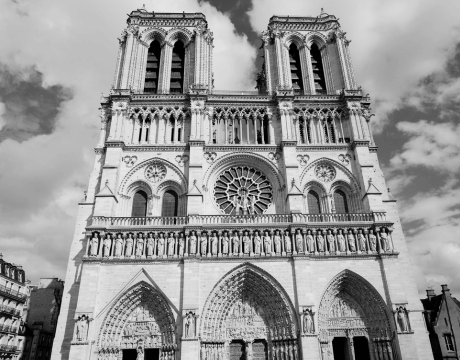
Notre Dame Cathedral
A prominent example of European oak’s durability is the Notre Dame Cathedral in Paris. Built in the 12th century, this cathedral has witnessed countless historical events and has endured various adversities, including fires and wars. The oak timber used in its construction has played a crucial role in its ability to withstand the centuries. Despite the devastating fire in 2019, restoration plans continue to rely on European oak to restore the cathedral to its former glory, underscoring confidence in its durability and resilience.
Tower of London
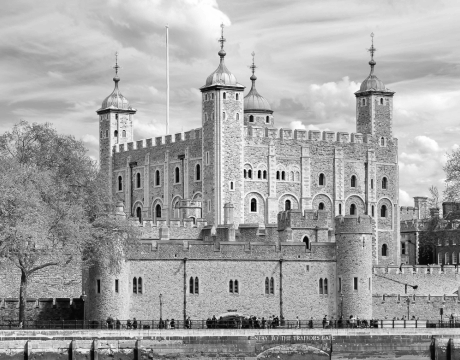
Another example is the Tower of London, a historic fortress dating back to the 11th century. The beams and doors of this imposing structure are made from European oak, significantly contributing to its longevity. The oak’s ability to resist moisture and pests has been a key factor in preserving the tower, allowing it to remain an iconic symbol of British history.
Tower of London
Another example is the Tower of London, a historic fortress dating back to the 11th century. The beams and doors of this imposing structure are made from European oak, significantly contributing to its longevity. The oak’s ability to resist moisture and pests has been a key factor in preserving the tower, allowing it to remain an iconic symbol of British history.
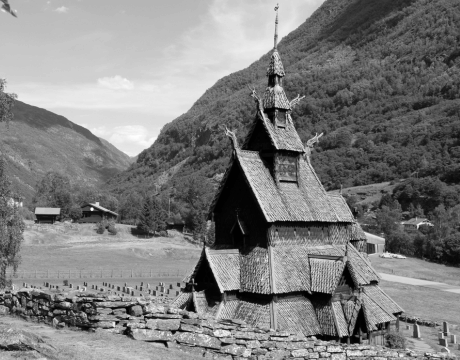
The Borgund Stave Church
The Borgund Stave Church in Norway, built in the 12th century, is another testament to the durability of European oak. Despite exposure to severe weather conditions, this church has maintained its original structure thanks to the quality of oak used in its construction. Its preservation to this day is a clear indicator of the resilience and durability of European oak.
European oak is not merely a construction material; it is a legacy that connects the past with the present. Its use in historical structures that still stand today demonstrates its unparalleled durability and ability to withstand the test of time. By choosing European oak for contemporary projects, we continue a tradition of excellence and durability that has been proven over centuries.
For those interested in construction and design, European oak offers not only beauty and strength but also a tangible connection to the rich history of European architecture. If you want to learn more about European oak and other European hardwoods, don’t miss our posts on Linkedin. Stay informed!