
European Hardwoods in Biophilic Design
As urban environments continue to shape the way we live and work, creating meaningful connections with nature inside buildings has become increasingly important. Biophilic design responds to this need by incorporating natural elements, materials and sensory experiences into the built environment.
Wood has a particularly important role to play in this approach. Unlike materials that simply reproduce a natural appearance, real wood introduces authentic grain, texture, colour variation and tactile qualities into a space. These characteristics allow nature to be experienced not only visually, but also through touch and everyday interaction with interior surfaces.
European hardwoods play an important role in biophilic design, offering designers different ways to create this connection with nature. Oak, beech and ash can be used across flooring, wall panelling, furniture, stairs and interior joinery, bringing natural materiality into contemporary spaces while meeting a wide range of aesthetic and functional requirements.
What is Biophilic Design?
Biophilic design is an approach to architecture and interior design that seeks to strengthen the relationship between people and the natural world.
Rather than simply adding plants to an interior, it considers how different characteristics of nature can become part of the overall spatial experience. These can include natural light and ventilation, vegetation, water, views of nature, organic forms and patterns, and the use of natural materials such as wood and stone.
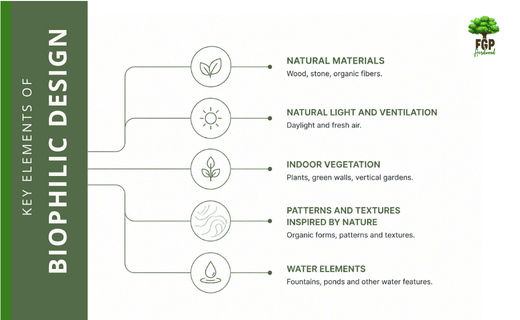
These elements can work together rather than independently. A space does not become biophilic simply because it contains a plant or a wooden surface; the goal is to create a more meaningful and multisensory relationship between people, materials, space and nature.
Why wood plays an important role in Biophilic Design
Wood brings characteristics of the natural world directly into the built environment. Its grain, texture, colour and natural variation create surfaces that are visually different from highly uniform manufactured materials. Every piece of hardwood carries individual characteristics that reflect its natural origin.
This combination of visual, tactile and material qualities makes wood particularly relevant to biophilic interiors. Research into wooden indoor environments has increasingly considered these different forms of exposure, including visual, multisensory and tactile interaction. For designers, wood can therefore be considered not only as a construction or decorative material, but as part of the sensory experience of an interior.
How European Hardwoods create a sensory connection with nature
One of the most important aspects of biophilic design is that our connection with nature does not depend solely on what we see. Touch, material perception, light, texture and the way we interact with a space also play an important role. European hardwoods allow designers to explore this sensory dimension in different ways.
Natural grain and visual variation
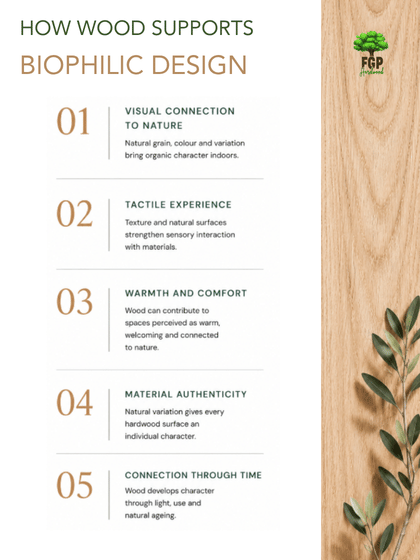
One of the most immediate ways wood connects an interior with nature is through its grain. Natural hardwood does not present a perfectly repetitive visual pattern. Grain direction, colour and other natural properties and characteristics vary from one piece to another, creating the kind of visual diversity associated with organic materials.
These differences allow designers to select not simply 'wood', but the particular natural expression that best supports the atmosphere of a project.
Texture and touch
Biophilic design is not exclusively visual. We experience interiors through our senses, and touch becomes particularly important when natural materials are used on surfaces that people interact with every day.
This makes the choice of surface, texture and finish an important part of designing with European hardwoods.
Colour, warmth and interior atmosphere
European hardwoods also introduce naturally occurring colours into interior environments. Instead of relying exclusively on applied colour, designers can work with the tones inherent to different species and combine them with daylight, vegetation, stone, textiles and other natural materials.
The effect can vary considerably according to species, grade, finish and lighting. European oak can contribute a warm and characterful material presence; beech can support lighter, more visually continuous environments; and ash can bring expressive grain to bright contemporary interiors.
Material authenticity and natural ageing
Another important quality of real wood is its authenticity as a natural material. Variations in grain, tone and character are not decorative patterns applied to a surface; they are inherent characteristics of the material itself.
Wood can also develop character over time as it interacts with light, use, finishes and its environment. This means that a hardwood interior does not necessarily remain visually static throughout its life. Its evolving appearance can become part of the material story of a space.
European Hardwood species for Biophilic Interiors
Choosing the right hardwood species can influence both the visual identity and sensory character of a biophilic interior. European oak, beech and ash each offer a distinctive combination of grain, colour and natural variation, allowing designers to create very different relationships between material and space.
European Oak: warmth and natural character
European oak is particularly suited to interiors where the natural character of wood is intended to have a strong visual presence. Its distinctive grain and tonal variation can bring depth and warmth to flooring, wall panelling, furniture and architectural elements.
European Beech: calm and visual harmony
European beech offers a different expression of natural materiality. Its generally finer and more uniform visual character can work particularly well in interiors where designers want to introduce natural wood while maintaining a sense of calm and continuity.
It can be considered for furniture, interior joinery, cladding and other architectural elements where a softer wood presence complements daylight, neutral colours and other natural materials.
European Ash: Lightness and expressive grain
European ash combines a comparatively light appearance with an expressive grain, making it an interesting choice for contemporary biophilic interiors. Its visual character can work especially well in bright spaces where designers want to maintain a sense of lightness while still making the natural grain of the material visible.
Furniture, flooring and interior architectural elements can all provide opportunities to integrate ash into spaces alongside natural light, plants and complementary materials.

European Hardwoods in Biophilic Design: Interior Applications
Flooring
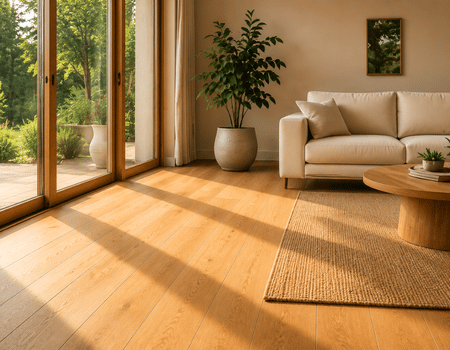
Hardwood flooring introduces natural material across a large and continuous surface. Because floors occupy such a significant part of the visual field, grain, colour and variation can become an important part of the overall character of an interior. Wood flooring can also provide visual continuity between different areas while working alongside natural light, vegetation and other natural finishes.
Wall panelling
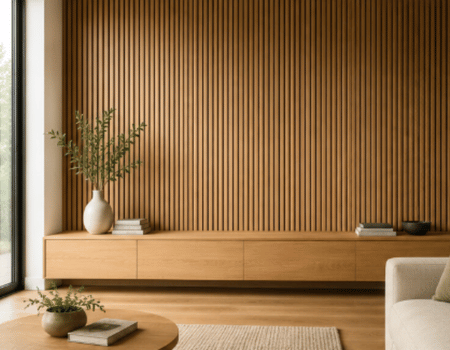
Wooden wall surfaces offer another way to make natural material visible without using it throughout an entire room. Depending on the species, grade, orientation and finish, panelling can range from subtle to highly expressive. It can also provide a natural visual backdrop for plants, furniture, stone and other elements associated with biophilic interiors.
Furniture
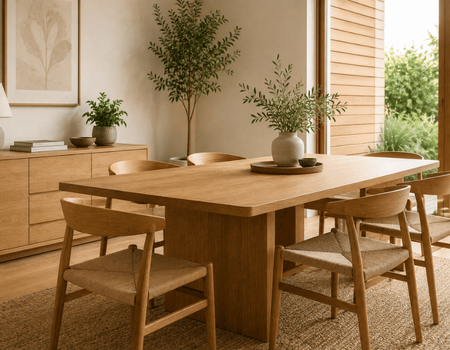
Furniture creates one of the strongest opportunities for direct interaction with wood. Tables, chairs, desks, cabinets and other pieces are not only seen but regularly touched. This makes furniture particularly relevant to the tactile dimension of biophilic design, where texture and material authenticity become part of everyday experience.
Doors and interior joinery
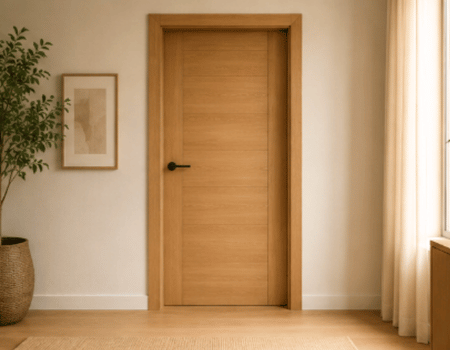
Doors, frames, cabinetry and other joinery can extend natural materiality throughout a project without requiring large areas of wood. Repeating a hardwood species across selected architectural elements can also create material continuity between different spaces.
Stairs and handrails
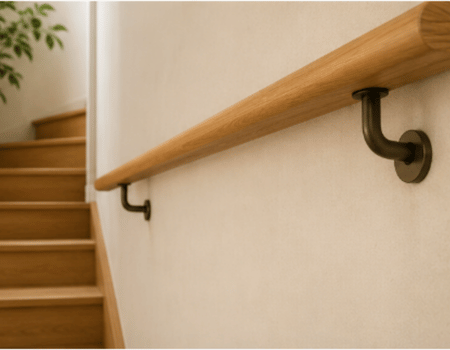
Stairs provide an especially interesting opportunity because they combine visual and physical interaction. Treads, balustrades and handrails can make wood part of the movement through a building, while handrails create direct tactile contact with the material.
Together, these applications show why specifying hardwood for biophilic design should not simply be a question of how much wood is used, but where and how people experience it.
Wood, wellbeing and Biophilic Interiors
Wellbeing is one of the reasons biophilic design has received increasing attention in architecture and interior design. Research suggests that exposure to natural elements and materials can influence how people perceive and respond to interior environments. Wood has been studied in this context through visual, tactile and multisensory exposure.
For this reason, it is more accurate to see wood as one element that can contribute to a more natural, comfortable and sensory-rich environment, rather than claiming that wood alone guarantees particular health outcomes. Biophilic wellbeing emerges from the overall relationship between material, light, vegetation, space, nature and human experience.
Biophilic Design is about more than adding wood
A room does not automatically become biophilic simply because it contains wooden surfaces. Effective biophilic design considers how multiple natural elements and experiences interact.
The amount and distribution of wood also matter. Simply maximising the quantity of wood should not be treated as the objective of biophilic design. The goal is connection, not saturation.
Biophilic Design and responsible material choices
Choosing wood based solely on its appearance or technical performance should not be enough. For any project, it is also important to understand where the material comes from and to have reliable information about its journey through the supply chain.
When specifying European hardwoods, we recommend considering factors such as wood origin, traceability, forest management, available certifications and the expected durability of the material in its intended application. These criteria support more informed material decisions and help prevent terms such as “natural” or “sustainable” from being treated simply as aesthetic attributes.
Responsible material selection therefore begins not only by asking which wood is best suited to the project, but also where it comes from and what information supports that choice.
European Hardwoods for spaces connected to nature
European hardwoods can contribute to that relationship through more than appearance alone. Grain, texture, colour, touch, natural variation and material ageing can all become part of the sensory experience of an interior. European oak, beech and ash offer different ways to express these qualities - from the warm and distinctive character of oak to the visual calm of beech and the light, expressive grain of ash.
Used thoughtfully alongside daylight, vegetation and other natural materials, European hardwoods can help designers create interiors that feel materially authentic, sensory-rich and more closely connected with nature.
Discover FGP Hardwood’s European Oak, Beech and Ash, and explore further insights into their properties, benefits, sustainability and design trends.