
Actualización: March 2026
Properties and characteristics of European hardwoods
The properties and characteristics of European hardwoods make them one of the most valued materials for interior architecture, joinery, and manufacturing for their combination of strength, durability, workability, and natural appearance. From European oak to white european beech and white european ash, these species offer technical and aesthetic qualities that make them suitable for a wide range of interior and architectural applications.
Beyond their visual appeal, these timbers are valued for their long-term performance and versatility. Their physical properties, natural variation, and broad range of applications have made them a preferred choice for architects, designers, carpenters, manufacturers, and buyers seeking reliable, high-quality materials.
However, their performance is not identical across species and applications. Properties such as durability, stability and visual character vary depending on the species, grade, drying quality, and intended end use.
There are many reasons why they are so appreciated in the world of wood and today we share them with you:
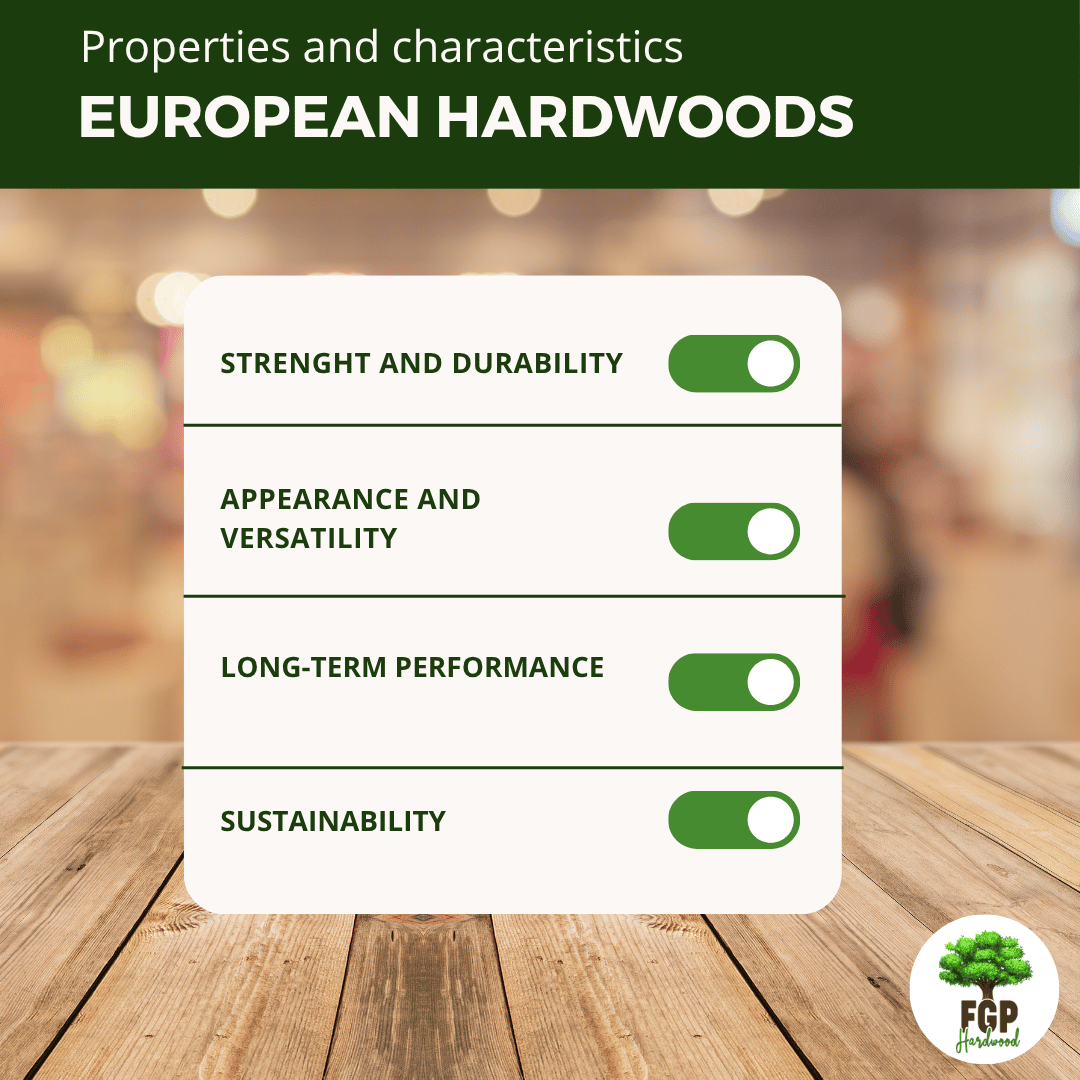
1. Strength, durability, and long-term performance
One of the main reasons these hardwoods species are so highly regarded is their strength and durability. Many hardwood species used in Europe offer good mechanical performance, solid density, and reliable behaviour over time when correctly selected for the intended application and properly dried, processed, and installed.
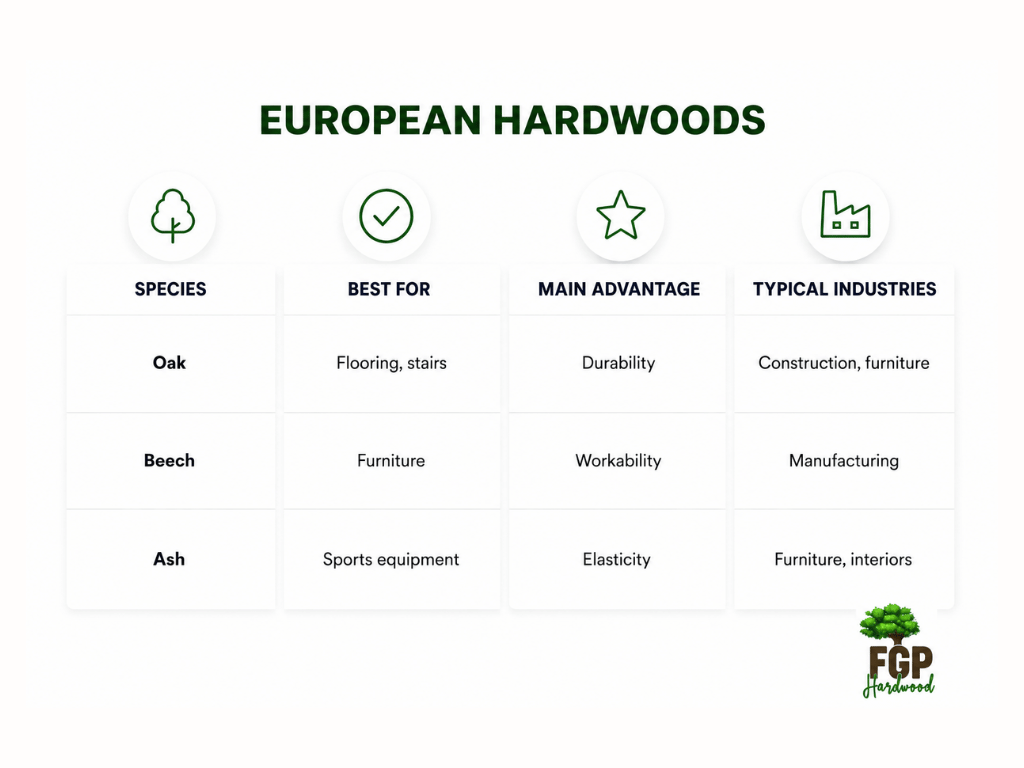
European oak, for example, is widely appreciated for its hardness, wear resistance, and long service life, which makes it especially suitable for flooring, furniture, stairs, interior joinery, and other high-use applications. Beech is valued for its uniform structure, good machinability, and consistent performance in interior uses. Ash is known for its elasticity and impact resistance, characteristics that make it especially useful where strength and flexibility are important.
These properties make European hardwoods a strong option not only for visual applications, but also for uses where technical performance and long-term reliability matter.
2. Appearance, grain, and natural character
In addition to their technical performance, European hardwoods are also highly valued for their appearance. Each species offers its own grain pattern, colour variation, and texture, allowing designers and manufacturers to work with materials that combine performance with a strong visual identity.
European oak is known for its distinctive grain and warm natural tones, which can vary from lighter to darker brown depending on the cut, finish, and origin. Beech offers a more uniform and subtle appearance, often with a pale tone that works well in contemporary interiors. Ash is generally lighter in colour and is appreciated for its clean look and elegant texture, which fits well in both modern and more natural design concepts.
This visual diversity is one of the reasons European hardwoods remain relevant across a wide range of projects, from classic joinery to modern architectural interiors.
3. Workability and versatility across applications
Another important characteristic of European hardwoods is their versatility. Different species can be adapted to different technical and aesthetic requirements, which is why they are widely used across sectors such as furniture manufacturing, flooring, interior cladding, stairs, panels, doors, and bespoke joinery.
European hardwoods can be selected and processed according to the intended end use, taking into account factors such as hardness, stability, grain, machining behaviour, and finishing performance. Some are better suited to visible applications where appearance is critical, while others are especially valued for their structural reliability, elasticity, or ease of processing.
Their versatility also makes them attractive to buyers and manufacturers who need materials that can perform well in different production environments while maintaining a high-quality natural appearance.
4. Sustainability and responsible sourcing
Another reason European hardwoods are so valued is their potential to support responsible sourcing when they come from well-managed forests and are backed by appropriate certification such as FSC® and PEFC™ and full traceability. For many buyers and specifiers, sustainability is no longer a secondary factor, but part of the overall material decision.
When sourced correctly, European hardwoods can help projects combine performance, aesthetics, and responsible sourcing criteria. This is particularly relevant in a market where traceability, certification, and environmental credibility are becoming increasingly important.
Physical and Mechanical Properties of European Hardwoods
The performance of European hardwoods depends on a combination of physical, mechanical and visual properties. These characteristics influence how the timber behaves during machining, drying, finishing and throughout its service life.
Among the most important properties are density, hardness, dimensional stability, natural durability and workability. While European oak, beech and ash all belong to the hardwood family, each species offers a different balance of these characteristics.
However, understanding these properties allows manufacturers, architects, and timber buyers to select the most suitable species based on the technical requirements of each project rather than on appearance alone
| Species | Density | Hardness | Natural durability | Dimensional stability | Workability | Typical applications |
|---|---|---|---|---|---|---|
| European Oak | Medium-High | High | High (heartwood) | Good | Good | Flooring, furniture, stairs, joinery |
| European Beech | High | High | Low | Moderate | Excellent | Furniture, plywood, interior joinery |
| European Ash | Medium-High | High | Low | Moderate | Very good | Furniture, stairs, sports equipment |
Learn more about European hardwoods here
European oak
| Property | Value |
|---|---|
| Density | Medium-High |
| Hardness | High |
| Natural Durability | High (heartwood) |
| Dimensional Stability | Good |
| Workability | Good |
| Typical Applications | Flooring, Furniture, Stairs, Joinery |
Learn more about European oak here
European beech
| Property | Value |
|---|---|
| Density | High |
| Hardness | High |
| Natural Durability | Low |
| Dimensional Stability | Moderate |
| Workability | Excellent |
| Typical Applications | Furniture, Plywood, Interior Joinery |
Learn more about European beech here
European ash
| Property | Value |
|---|---|
| Density | Medium-High |
| Hardness | High |
| Natural Durability | Low |
| Dimensional Stability | Moderate |
| Workability | Very Good |
| Typical Applications | Furniture, Stairs, Sports Equipment |
Learn more about European beech here
Density
Density affects the weight, strength and machining behaviour of timber. It also influences drying time and the overall performance of the finished product. European oak, beech and ash all have relatively high density compared with many softwoods, although values vary depending on species, origin and moisture content.
Hardness
Hardness determines the resistance of wood to wear, impacts and surface indentation. This property is particularly important for flooring, stairs, furniture and other high-use applications where long-term durability is required.
Dimensional stability
Wood naturally expands and contracts as humidity changes. Proper drying and moisture control are essential to minimise movement and ensure dimensional stability during manufacturing and installation.
Natural durability
Natural durability refers to the resistance of untreated heartwood to biological deterioration. European oak generally offers higher natural durability than beech and ash, making species selection an important factor depending on the final application.
Workability
Furthermore, European hardwoods can beç widely appreciated for their machining performance. However, each species responds differently to sawing, planing, sanding, gluing and finishing, making correct species selection essential for efficient production.
European Oak, Beech and Ash: Properties and characteristics
European oak
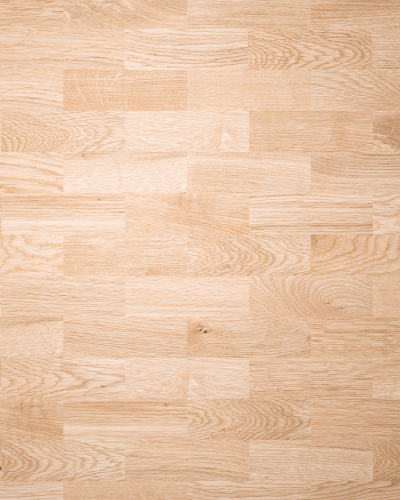
European oak is one of the most established hardwoods in the market. It is valued for its durability, attractive grain, hardness, and broad application range. It is commonly used in flooring, furniture, interior panelling, stairs, doors, and high-end joinery. Its strong visual identity and long-term performance make it one of the most versatile European hardwoods.
This species also offers good dimensional stability when properly kiln dried. Its natural tannin content contributes to its durability but should be considered during machining and finishing, particularly when the timber comes into contact with ferrous metals. These characteristics make oak one of the preferred European hardwoods for demanding interior applications requiring both performance and appearance.
European beech
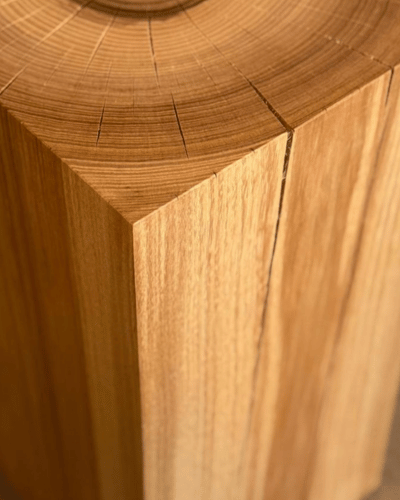
European beech is appreciated for its fine and even texture, pale appearance, and good workability. It performs well in interior applications and is widely used in furniture, plywood, components, interior joinery, and design-led manufacturing. Beech is often chosen when consistency, machinability, and a clean appearance are important.
One of beech’s most distinctive characteristics is its excellent steam-bending performance, making it suitable for curved furniture components and technical applications. Because beech is more sensitive to moisture than oak, correct drying and storage conditions are essential to maintain dimensional stability.
European ash
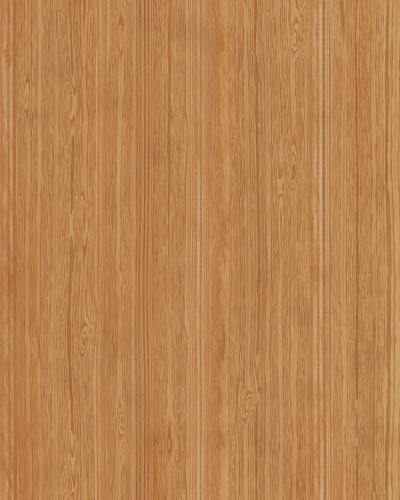
European ash is known for its light colour, elasticity, and good resistance to impact. It combines technical performance with a clean and elegant look, which makes it suitable for furniture, stairs, sports equipment, interior joinery, and other applications where flexibility and strength are both valued.
In addition ash combines high impact resistance with excellent elasticity, allowing it to perform well in applications subjected to repeated stress. Its light colour also makes it an attractive choice where contemporary design and a natural appearance are priorities.
Why European hardwoods continue to be in demand
European hardwoods continue to be widely specified because they combine technical performance, natural beauty and long-term reliability. Rather than offering a single solution, European oak, beech and ash each provide distinct characteristics that make them suitable for different manufacturing and architectural applications.
Selecting the right European hardwood requires considering properties such as density, hardness, dimensional stability, durability, and workability. These factors help manufacturers, architects, and timber buyers choose the most suitable species for the technical requirements of each project.
Whether the priority is appearance, performance or production efficiency, choosing the appropriate European hardwood contributes to better product quality and long-term value.
Looking for the right European hardwood? Contact FGP Hardwood to discuss the most suitable species, grade and dimensions for your next project. Visit https://fgphardwood.com to explore our wide selection of European hardwoods and start transforming your space today!